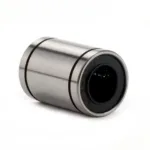
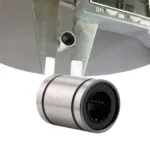
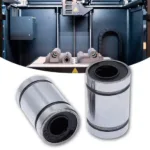
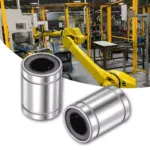
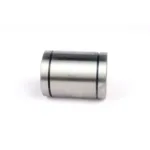
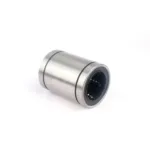


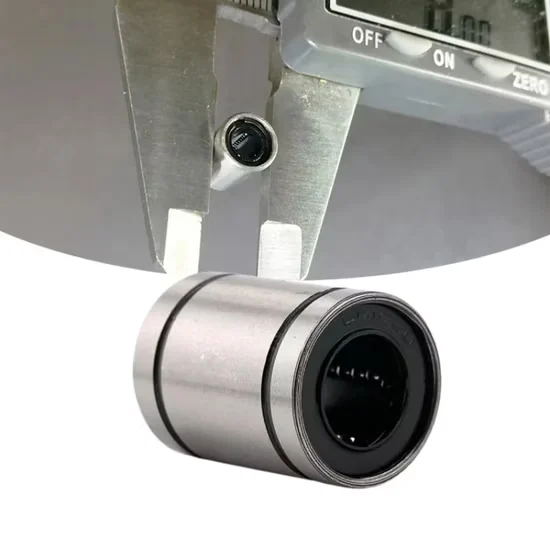
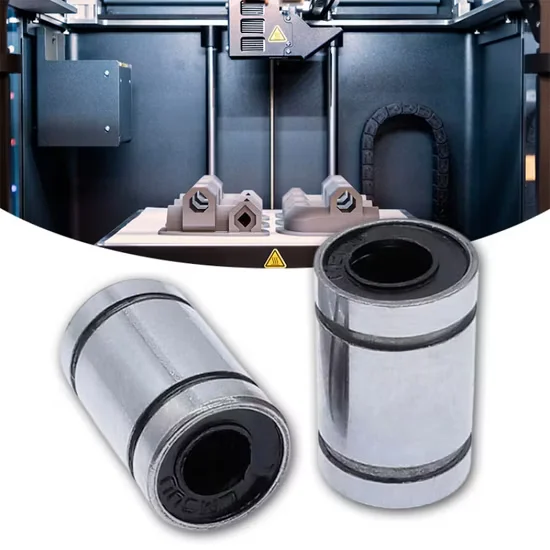
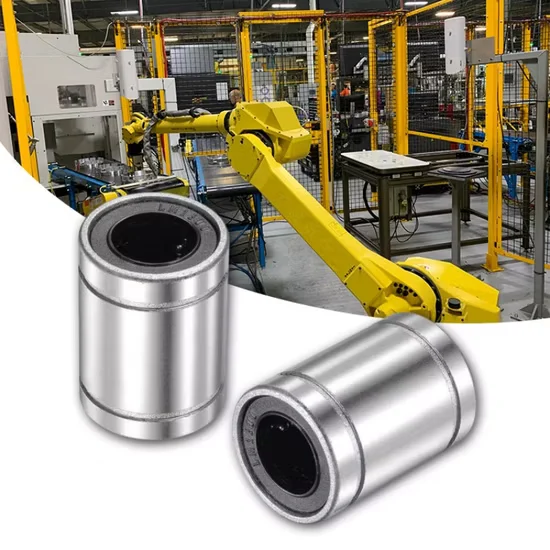
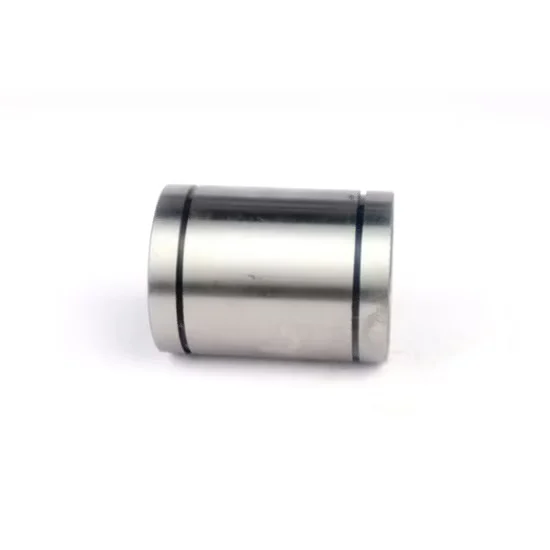
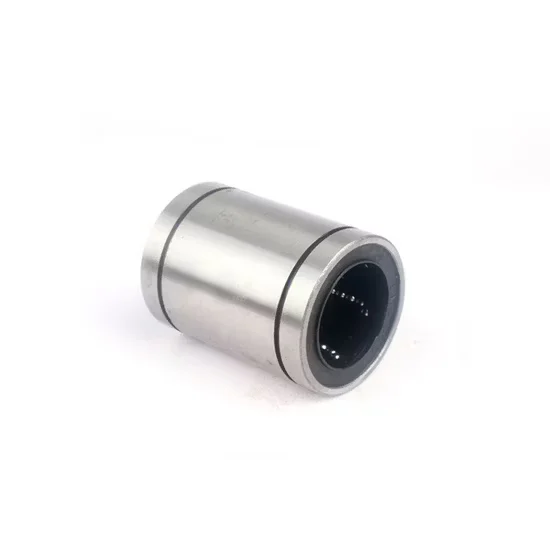
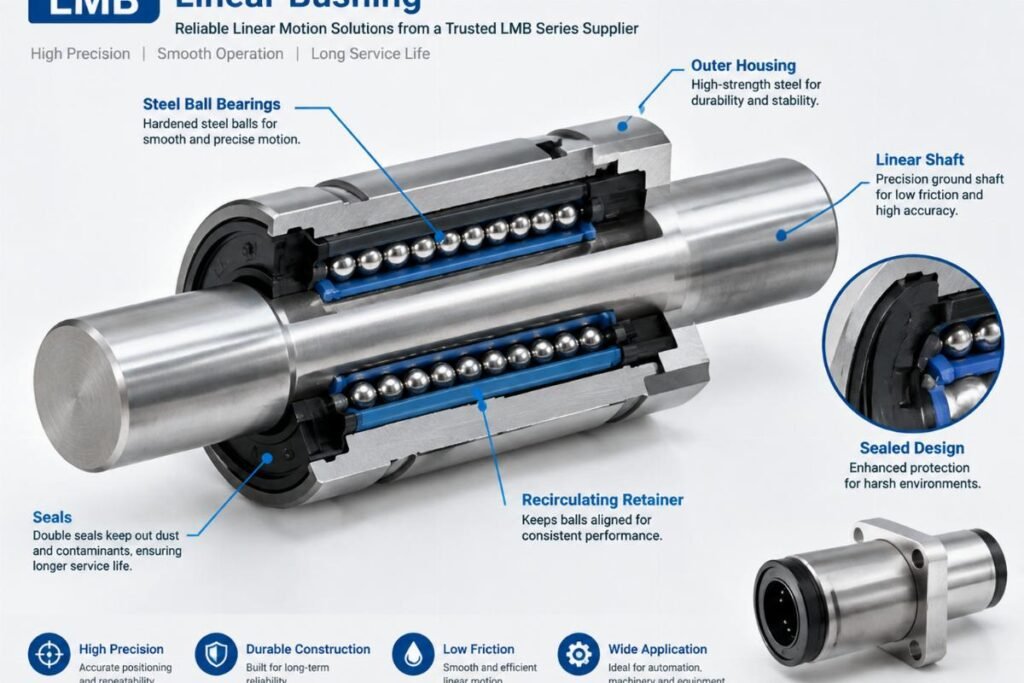
LM Series LMB Linear Bushing Bearings for CNC Machining & Automation
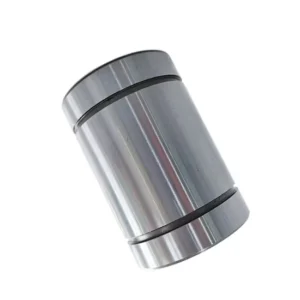
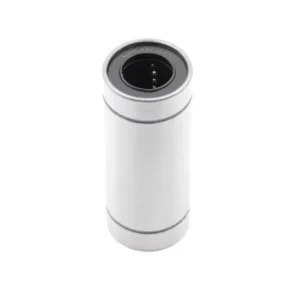
<p><strong>LM Series LMB Linear Bushing for CNC Machining & Automation</strong> — featuring HRC 60-64 hardness for superior wear resistance during continuous linear motion operations.</p> <ul> <li>Select from steel, copper, or nylon cages to perfectly match specific speed, noise, and lubrication requirements across various machine tools.</li> <li>We provide complete original factory batch traceability documentation with every order to ensure genuine product quality and reliable long-term performance.</li> </ul>
Updated Daily
Within 4 Hours
No Minimum
Traceable
Specifications
| Parameter | Value |
|---|---|
| Brand | SKF |
| Type | Linear Bearing |
| Model / Part Number | LM Series LMB Linear Bushing Bearings for CNC Machining & Automation |
| Bore Diameter (d) | Contact for specs |
| Outside Diameter (D) | Contact for specs |
| Width (B) | Contact for specs |
| Dynamic Load Rating (C) | Contact for specs |
| Static Load Rating (C₀) | Contact for specs |
| Reference Speed | Contact for specs |
| Limiting Speed | Contact for specs |
| Weight | Contact for specs |
Specifications shown are typical values. Contact us for confirmed dimensional and tolerance data for this specific model.
Technical Documents
Need help identifying this bearing?
Send us a part number, a drawing, or a photo. We'll confirm the exact SKF equivalent.
Product Description
Unified Multi-Brand Sourcing — Consolidate KOYO, NTN, and NSK linear motion components into a single shipment without juggling multiple vendor accounts.
Technical Specifications
| Parameter | Value |
|---|---|
| Product Type | Linear Bearing |
| Hardness | HRC 60-64 |
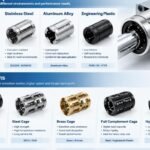
| Cage Material | Available in steel, copper, or nylon options |
| Brand Options | OZD, KOYO, NTN, NSK |
| Origin | Shandong, China |
Application Suitability
| Industry | Typical Applications |
|---|---|
| CNC Machining | Precision spindle positioning and automated tool changers |
| Automation Equipment | Multi-axis gantry systems and robotic pick-and-place arms |
| Machine Tools | Sliding guideways and automated material feeding mechanisms |
Why CNC Gantry Systems Fail When the LM series LMB linear bushing supplier Ignores Environmental Sealing
Contaminant ingress destroys recirculating ball paths long before the shaft itself wears out.
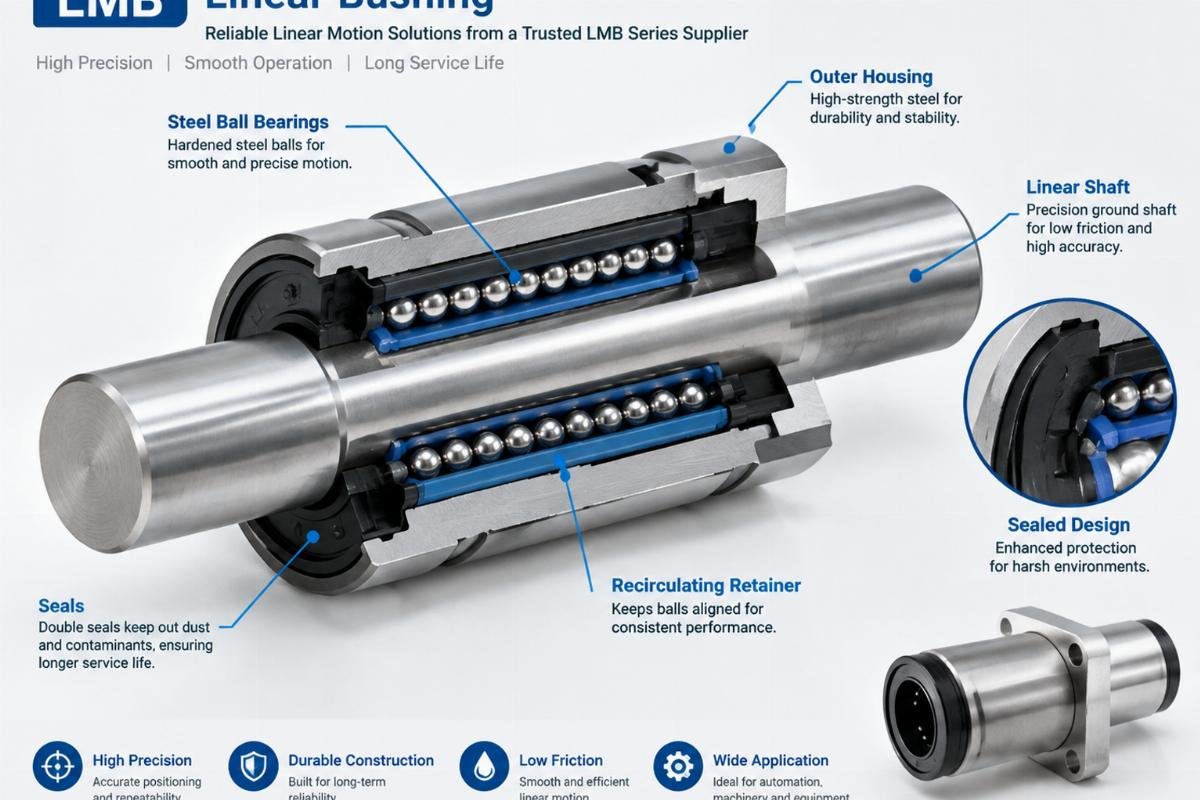
During my early years running failure analysis in the Middle East, I watched an entire automated assembly line grind to a complete halt. The root cause was fine desert dust penetrating an unsealed linear guide, deforming the internal cage and seizing the carriage entirely. Sourcing from a reliable LM series LMB linear bushing supplier means prioritizing environmental protection over marginal initial cost savings. When microscopic particulates bypass inadequate wiper seals, they embed themselves into the grease, transforming the lubricant into a grinding paste. This accelerates track wear exponentially and leads to unpredictable friction spikes during high-precision machining operations. [NEED_CITE: rolling bearing failure mode classification per ISO 15243]
Matching Cage Materials to High-Speed Automation Profiles
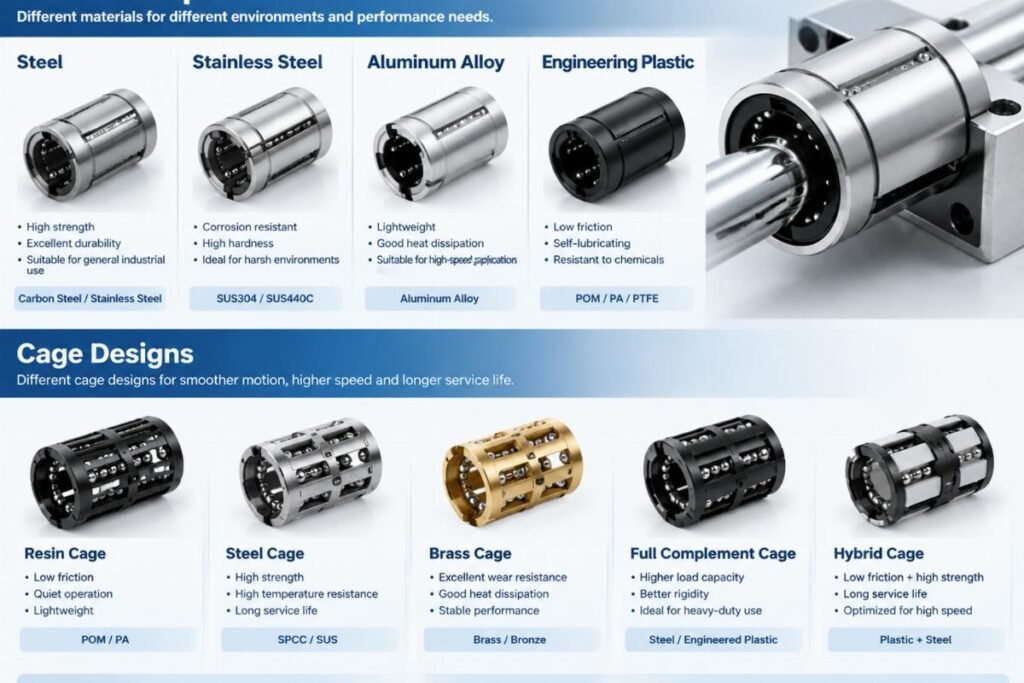
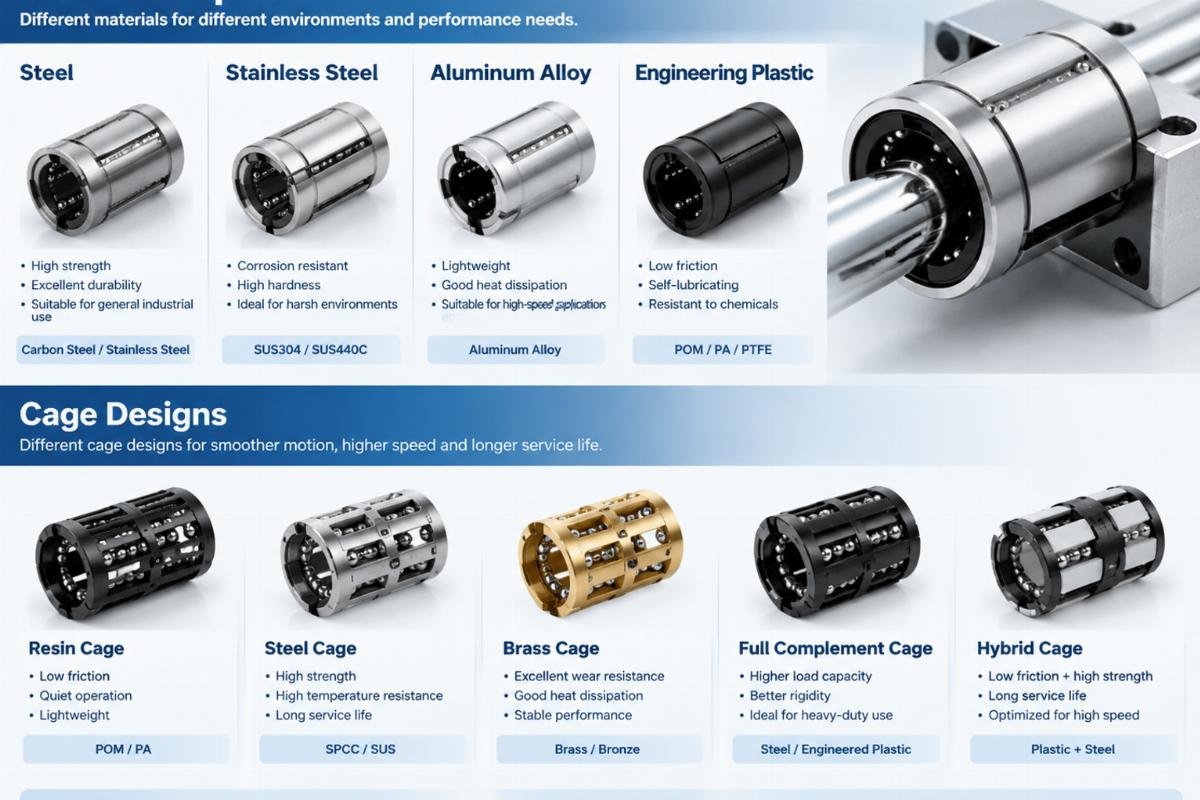
Selecting the right cage material dictates how smoothly the carriage travels under continuous cycling and varying loads. We actively guide buyers through steel, copper, and nylon options to match specific speed thresholds and acoustic requirements. As an experienced LM series LMB linear bushing supplier, we cross-reference your automation cycle times and duty cycles to prevent premature cage fatigue. A mismatched cage design will quickly succumb to centrifugal forces at high velocities, causing the recirculating balls to skew and generating excessive operational heat that degrades the surrounding lubricant.
Managing Thermal Expansion and Particulate Ingress in Machining Centers
CNC machining environments generate significant localized heat, altering internal clearances and rapidly degrading standard lubricants. When fine metallic swarf mixes with compromised grease, it creates a highly abrasive paste that accelerates track wear and compromises surface finishes. Proper sealing prevents this contamination from entering the load zone, while the correct initial lubrication ensures stable operation across varying thermal cycles. Neglecting these critical environmental factors leads to unpredictable friction spikes during high-precision cuts, ultimately ruining the workpiece and damaging the spindle. Effective thermal management and strong contamination exclusion are non-negotiable for maintaining tight tolerances. [NEED_CITE: influence of contamination on bearing fatigue life per ISO 281]
Decoding Hardness and Material Options for Linear Guides
The HRC 60-64 hardness rating ensures the load-bearing tracks resist brinelling and permanent deformation under heavy static loads. Buyers can specify stainless steel variants for stringent washdown environments or standard bearing steel for general indoor machining applications. Copper cages offer superior heat dissipation for high-speed continuous applications, while nylon cages significantly reduce operational noise in cleanroom automation setups. Steel cages remain the default choice for heavy-duty machine tools where severe shock loads and high rigidity are prevalent. Understanding these material options prevents catastrophic mismatching in corrosive, high-temperature, or magnetically sensitive zones, ensuring the linear system performs reliably throughout its intended lifecycle.
The Cascading Impact of Unplanned Carriage Seizures
A single seized linear block forces an immediate line stoppage, triggering massive unplanned downtime across the entire production floor and disrupting delivery schedules. The resulting secondary damage often extends to the drive motors, precision ball screws, and structural mounting brackets. Replacing the damaged shaft and carefully realigning the entire gantry system incurs severe hidden costs far beyond the component itself. Following established failure analysis frameworks like ISO 15243 helps identify these root causes early, preventing minor lubrication issues from escalating into catastrophic mechanical damage that requires extensive facility re-engineering. [NEED_CITE: financial impact of unplanned downtime in automated manufacturing]
Securing Authentic Linear Motion Components Across Global Brands
We provide complete traceability documentation for every KOYO, NTN, or NSK unit shipped, entirely eliminating the risk of counterfeit parts entering your facility. Our consolidation service allows you to mix OZD domestic lines with premium Japanese brands in a single container, significantly optimizing international freight costs. We maintain massive spot inventory for standard linear profiles, drastically reducing the typical multi-week lead times associated with direct factory orders. Our engineering team actively reviews your specific environmental parameters to recommend the exact sealing configuration needed for your machinery, ensuring you never receive an open-type block for a dusty environment.
Documentation & Authenticity
- Certificate of Conformity verifying the exact HRC 60-64 hardness batch for your linear shafts.
- Original manufacturer batch traceability linking each linear block to its specific production run.
- Official brand QR verification ensuring genuine KOYO or NTN linear motion components.
- Dimensional inspection reports confirming precise running accuracy before the carriages leave our facility.
- Material certification detailing the specific cage alloy used in your ordered linear guides.
Storage, Handling & Mounting
- Store the unmounted linear blocks in their original anti-corrosion packaging to protect the precision-ground outer cylinders.
- Use clean lint-free gloves when handling the exposed recirculating balls to prevent skin acid corrosion.
- Keep nylon-caged variants away from direct UV exposure to prevent polymer degradation before installation.
- Apply the specified external lithium-based grease immediately if the open-type linear guides are removed from sealed wrappers.
- Avoid using carbon steel tools near stainless steel linear shaft options to prevent cross-contamination and surface rust.
Preparing Your Technical Parameters for Accurate Sizing
Share your exact equipment model, available installation space, and specific load profiles so our engineering team can determine the precise linear block size. Detail your operating environment comprehensively, including ambient dust levels, coolant exposure, and temperature fluctuations, to finalize the optimal sealing and cage material selection. Providing these detailed operational parameters ensures we deliver a fully validated linear motion solution that integrates flawlessly with your existing automation architecture without requiring costly mechanical modifications.
Frequently Asked Questions
Q: How do I determine the exact LM or LMB model based on my shaft diameter and load requirements?
A: Determining the correct model requires analyzing both the static and dynamic loads applied to the carriage. You must provide the shaft diameter, load direction, and travel speed. Our engineering team uses these parameters to calculate the required basic dynamic load rating, ensuring the selected linear block achieves a reliable service life without premature fatigue.
Q: What are the common failure modes of linear bushings in CNC machining applications?
A: In CNC environments, the most frequent failure modes involve contaminant ingress and lubrication starvation. Fine metallic particles can penetrate inadequate seals, creating an abrasive mixture that scores the load-bearing tracks. Additionally, thermal expansion from continuous high-speed machining can degrade standard grease, leading to increased friction and eventual carriage seizure if not properly maintained.
Q: Steel vs. copper vs. nylon cages: which material is best for high-speed linear motion?
A: Nylon cages are generally preferred for high-speed applications due to their low weight, reduced friction, and excellent noise dampening properties. Copper cages offer superior thermal conductivity for dissipating heat generated during continuous rapid traverses. Steel cages provide maximum structural rigidity but are typically reserved for heavy-load, lower-speed machine tool applications where shock resistance is critical.
Q: How should I maintain and lubricate linear bearings to maximize their lifespan in dusty environments?
A: In dusty conditions, selecting linear blocks with effective contact seals is the first critical step. You should establish a strict re-lubrication schedule using high-viscosity grease that helps purge incoming contaminants. Regularly inspect the wiper seals for wear and ensure the external lubrication pathways remain clear to prevent dry running and catastrophic track damage.
Cross-Brand Interchange
Find the equivalent part number from other major bearing manufacturers. Free cross-reference service -- contact us to confirm exact interchange.
| Brand | Equivalent Model | Status | Action |
|---|---|---|---|
| SKF ORIGINAL | LM Series LMB Linear Bushing Bearings for CNC Machining & Automation | Confirmed | -- |
| FAG | Request interchange | Pending | Get Equivalent → |
| NSK | Request interchange | Pending | Get Equivalent → |
| NTN | Request interchange | Pending | Get Equivalent → |
| TIMKEN | Request interchange | Pending | Get Equivalent → |
| INA | Request interchange | Pending | Get Equivalent → |
| IKO | Request interchange | Pending | Get Equivalent → |
| Koyo | Request interchange | Pending | Get Equivalent → |
| Nachi | Request interchange | Pending | Get Equivalent → |
Free cross-reference service: Send us any competitor part number and we'll identify the exact SKF equivalent with confirmed boundary dimensions.
Same Series Products
Other bearings in the same category you may need.


Ready to order LM Series LMB Linear Bushing Bearings for CNC Machining & Automation?
Send us the part number and quantity. We'll reply with price, stock availability and lead time within 4 working hours.