






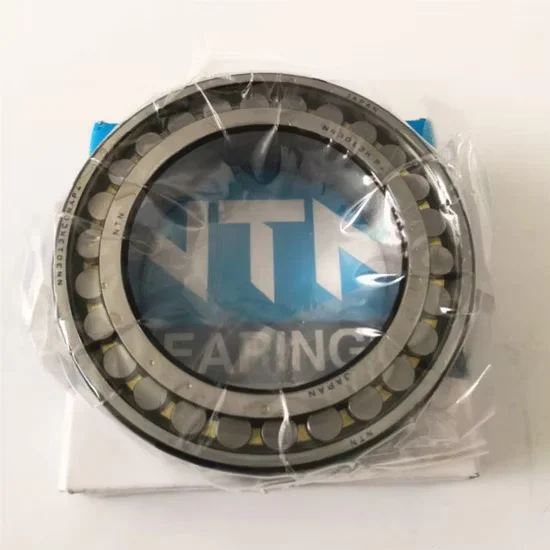
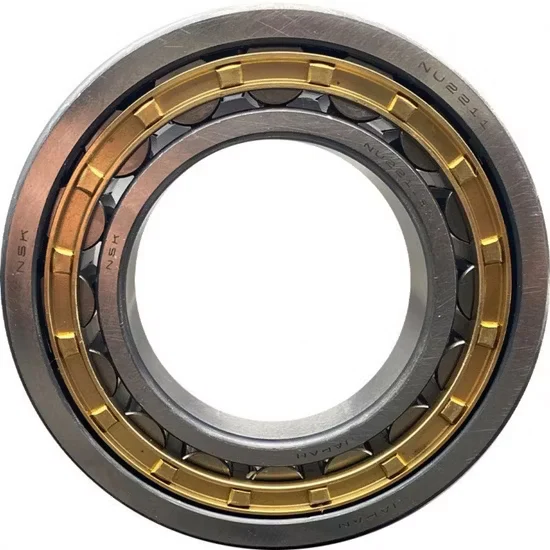
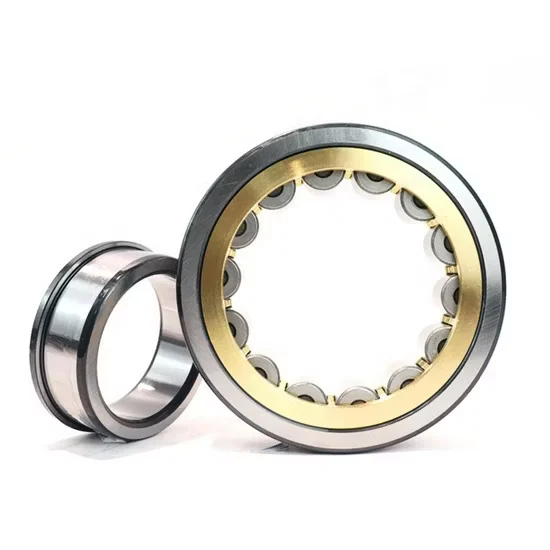

NJ Series Cylindrical Roller Bearing for Single Direction Axial Load
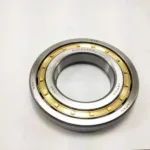
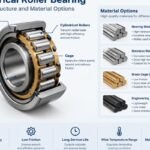
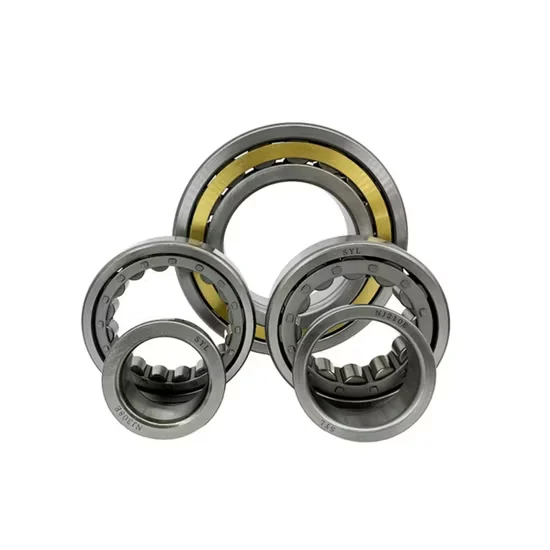
<p><strong>NJ Series Cylindrical Roller Bearing for Single Direction Axial Load</strong> — crafted from Gcr15/100cr6 chrome steel to withstand heavy radial and single-direction axial forces in rolling mills and gearboxes.</p> <ul> <li>High hardness material ensures reliable wear resistance under continuous high-stress operations.</li> <li>Inner and outer ring rib design provides stable axial displacement capacity.</li> <li>Every shipment includes complete original factory batch traceability documentation for verified authenticity.</li> </ul>
Updated Daily
Within 4 Hours
No Minimum
Traceable
Specifications
| Parameter | Value |
|---|---|
| Brand | SKF |
| Type | Uncategorized |
| Model / Part Number | NJ Series Cylindrical Roller Bearing for Single Direction Axial Load |
| Bore Diameter (d) | Contact for specs |
| Outside Diameter (D) | Contact for specs |
| Width (B) | Contact for specs |
| Dynamic Load Rating (C) | Contact for specs |
| Static Load Rating (C₀) | Contact for specs |
| Reference Speed | Contact for specs |
| Limiting Speed | Contact for specs |
| Weight | Contact for specs |
Specifications shown are typical values. Contact us for confirmed dimensional and tolerance data for this specific model.
Technical Documents
Need help identifying this bearing?
Send us a part number, a drawing, or a photo. We'll confirm the exact SKF equivalent.
Product Description
Multi-Brand Sourcing Unified — Consolidate KOYO, NTN, and domestic lines into one shipment without juggling multiple vendors for your mixed-fleet maintenance.
Technical Specifications
| Parameter | Value |
|---|---|
| Product Type | Cylindrical Roller Bearing |
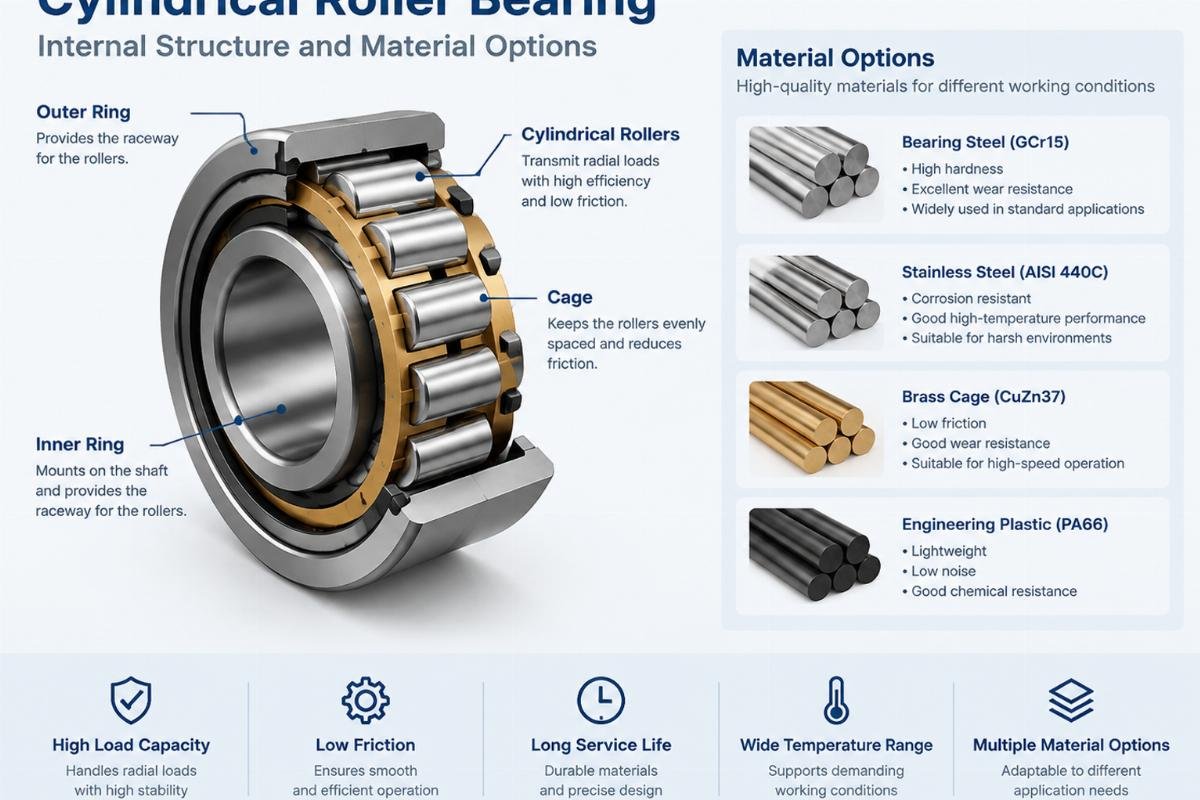
| Material | Available in high-carbon chrome steel variants like Gcr15 or 100cr6 |
| Alignment | Non-Aligning Bearings |
| Origin | Shandong, China |
| Certification | ISO-compliant quality assurance |
| Customization | Cross-brand equivalent model consultation available |
Application Suitability
| Industry | Typical Applications |
|---|---|
| Heavy Machinery | Heavy-duty gearboxes and rolling mill pinion stands |
| Industrial Manufacturing | Machine tool spindles and high-pressure pumps |
| Transportation | Traction motor suspensions and drive axles |
Why Gearbox Bearings Fail Before the Steel Yields
Selecting the right NJ series cylindrical roller bearing supplier prevents catastrophic mechanical breakdowns in high-stress environments.
Premature fracture usually stems from internal component mismatch rather than inadequate steel strength.
Years ago in Shandong, a mining crusher suffered catastrophic downtime. The root cause was an NJ-series cylindrical roller bearing that fractured under high vibration. The maintenance team had mistakenly installed a pressed steel cage where a machined brass cage was strictly required for that specific shock-load profile. That failure proved that matching the exact cage material and internal geometry to the operational stress is non-negotiable. When equipment operates under severe radial and single-direction axial loads, ignoring these internal details leads to rapid fatigue and flange spalling. Procurement teams often focus solely on the outer dimensions, overlooking the critical internal clearances and cage designs that dictate survival in harsh environments. [NEED_CITE: rolling bearing failure mode classification per ISO 15243]
Aligning Component Geometry with Operational Demands
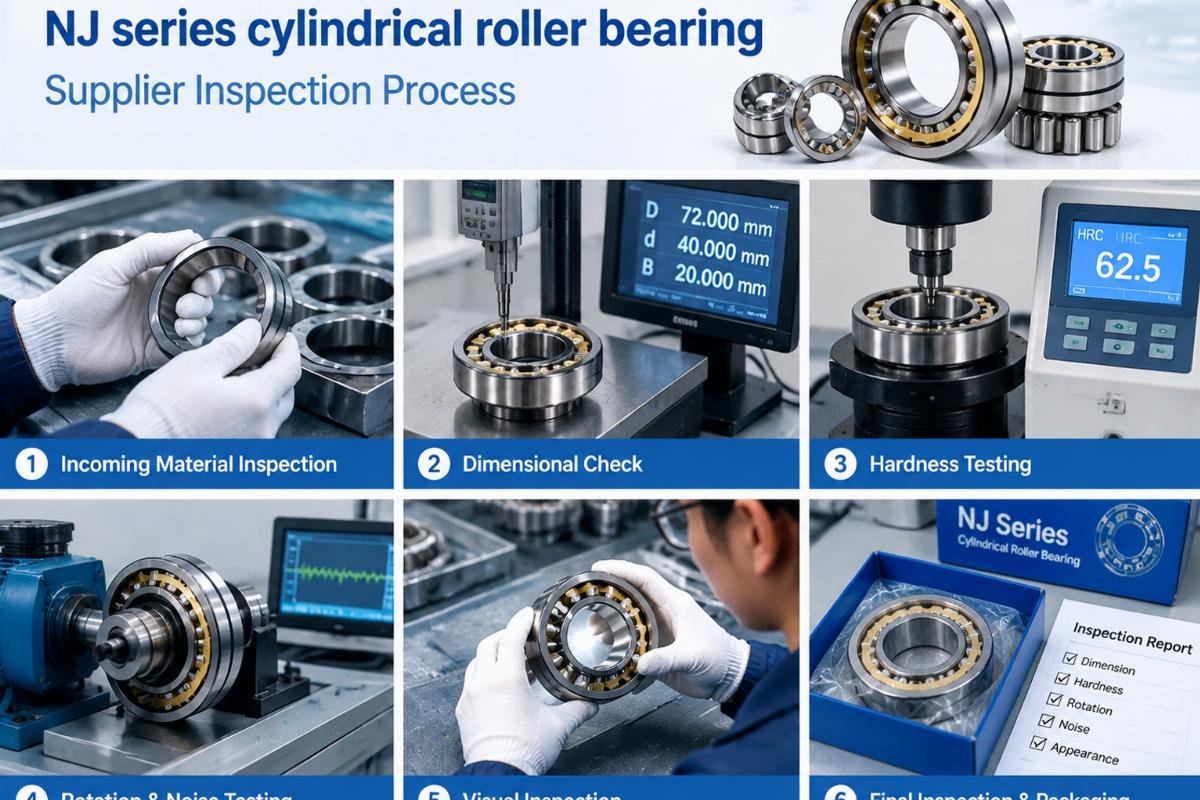
Heavy-duty gearboxes and rolling mills demand components that handle combined radial and single-direction axial forces simultaneously. As an established NJ series cylindrical roller bearing supplier, we evaluate the specific load vectors of your machinery to recommend the optimal internal geometry. The inner and outer ring flanges must perfectly constrain the rollers under peak torque to prevent skewing. Our engineering team cross-references your operational parameters against multiple brand catalogs to ensure the selected configuration withstands the continuous shock loads typical in mineral processing and steel production. This rigorous matching process eliminates the guesswork and ensures long-term reliability in demanding industrial applications.
Managing Thermal and Lubrication Extremes
Cylindrical roller bearings in traction motors and pumps face intense thermal gradients and lubrication starvation risks. High rotational speeds generate friction heat, which alters the internal clearance and compromises the oil film thickness. If the operating temperature exceeds the thermal limit of standard bearing steel, the material softens and accelerates wear. Proper lubrication selection—whether oil bath or grease—must account for the specific cage design and sealing arrangement. Inadequate contamination exclusion in dusty rolling mill environments further degrades the lubricant, leading to surface distress and micro-pitting on the raceways. Managing these thermal and tribological variables is essential for maximizing the service interval. [NEED_CITE: bearing lubrication and thermal management guidelines per ISO 281]
Decoding Material Options and Design Variables
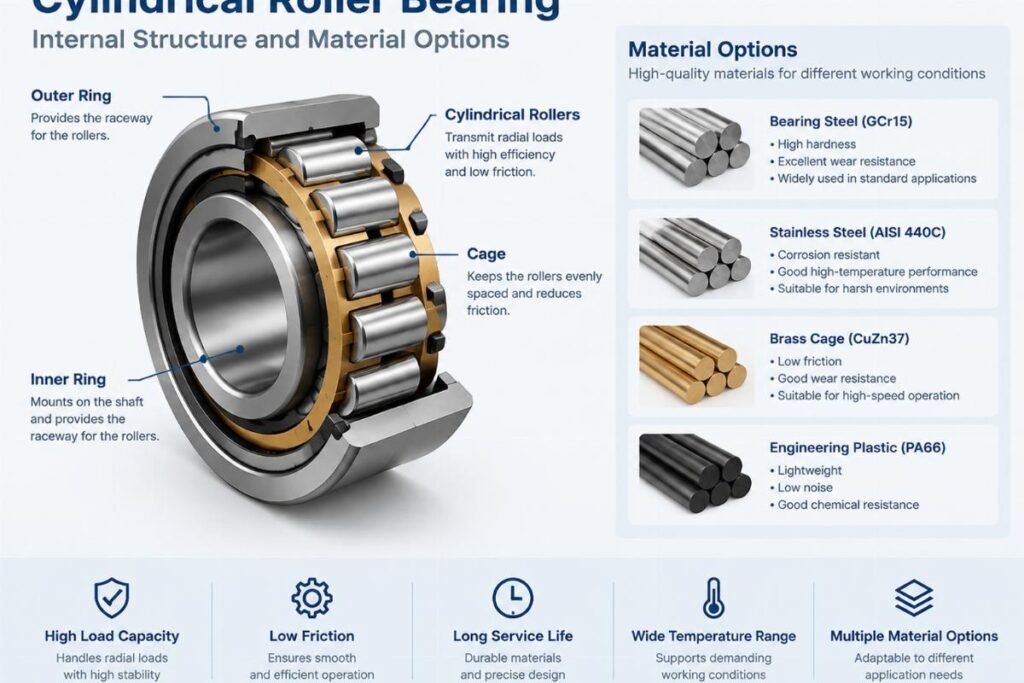
The performance of these components relies heavily on the metallurgical properties of the rings and rollers. Our inventory features options manufactured from high-carbon chrome steel variants such as Gcr15 or 100cr6, providing the necessary hardness and fatigue resistance for heavy machinery. The selection between different cage materials—such as pressed steel for standard speeds or machined brass for high-vibration environments—dictates the operational ceiling. Furthermore, the internal clearance class must accommodate the thermal expansion expected during continuous operation. Choosing the correct combination of material grade, cage type, and clearance ensures the component maintains its geometric integrity under severe mechanical stress, preventing premature operational failure.
The Financial Impact of Incorrect Specification
Installing a component with the wrong cage material or insufficient clearance triggers a cascade of mechanical failures. The initial symptom is often elevated vibration, which quickly progresses to roller skewing and flange spalling. According to failure analysis frameworks, this surface damage rapidly evolves into catastrophic cage disintegration, destroying the shaft and housing in the process. The resulting unplanned downtime in a continuous production line far exceeds the cost of the component itself. Relying on verified engineering data prevents these compounding losses and protects your capital equipment from irreversible damage, ensuring continuous production output and safeguarding operator safety. [NEED_CITE: financial implications of unplanned downtime in heavy industry]
Securing Traceability and Technical Accuracy
Sourcing genuine components requires more than just a catalog; it demands rigorous verification at every step. We provide complete batch traceability for every unit, ensuring the metallurgical composition matches the original manufacturer's specifications. Our technical team actively prevents the common mistake of substituting pressed steel cages for machined brass in high-vibration applications by reviewing your specific load profiles. We consolidate mixed-brand orders into single shipments, eliminating the logistical friction of dealing with multiple vendors. Furthermore, our flexible ordering accommodates everything from single-unit emergency replacements to full-container project consolidations, ensuring your maintenance schedule never stalls and your inventory remains optimized.
Documentation & Authenticity
- Certificate of Conformity verifying Gcr15 or 100cr6 material composition for heavy-duty applications.
- Original factory batch traceability reports linking the specific unit to its heat treatment cycle.
- Dimensional and running accuracy inspection reports confirming tolerance limits before dispatch.
- Official manufacturer authenticity verification via secure digital channels.
Storage, Handling & Mounting
- Retain the original VCI packaging until mounting to prevent micro-corrosion on the high-carbon chrome steel raceways.
- Use induction heating for cylindrical bore installation, strictly avoiding open flames that alter the Gcr15 heat treatment.
- Apply clean gloves when handling machined brass cages to prevent acidic skin oils from initiating surface oxidation.
- Verify the single-direction axial load orientation during mounting to ensure the inner ring flanges engage correctly.
- Store in a climate-controlled environment to prevent condensation inside the non-sealed bearing variants.
Engineering Review and Selection Support
To ensure precise application matching, please provide your equipment model, available installation space, and specific load parameters. Detailing the operational environment—including temperature extremes, vibration levels, and contamination risks—allows our engineering team to determine the exact configuration required. We will analyze these variables to recommend the optimal cage material, clearance class, and brand equivalent for your machinery.
Frequently Asked Questions
Q: How do we determine the exact model and clearance for our specific gearbox?
A: Determining the precise configuration requires a detailed analysis of your operational parameters. Please share the radial and axial load magnitudes, rotational speeds, and operating temperature ranges. Our engineering team uses these inputs to calculate the required internal clearance and select the appropriate cage material, ensuring the component withstands your specific vibration and shock-load profiles without premature fatigue.
Q: What are the common failure modes for these components in rolling mills?
A: In rolling mill applications, the most frequent failure modes involve surface distress and cage wear due to severe contamination and heavy shock loads. Inadequate lubrication combined with high particulate ingress leads to micro-pitting on the raceways. Additionally, selecting a pressed steel cage instead of a machined brass variant for high-vibration zones often results in cage fracture, causing catastrophic secondary damage.
Q: How does Gcr15 bearing steel compare to other materials for heavy machinery?
A: High-carbon chrome steel variants like Gcr15 or 100cr6 offer an excellent balance of high hardness, wear resistance, and fatigue strength, making them the standard choice for heavy machinery. While specialized materials offer benefits in extreme corrosion or high-temperature environments, standard chrome steel provides the most reliable performance and cost-efficiency for typical heavy-duty gearboxes and traction motors operating within standard thermal limits.
Q: What is the policy for custom dimensions and minimum order quantities?
A: We maintain highly flexible ordering policies designed to support both urgent maintenance and large-scale projects. You can order a single unit for an emergency breakdown or consolidate a full container of mixed sizes and brands. For non-standard dimensions or specialized application requirements, our team will review your technical drawings and coordinate with the manufacturer's production facilities to fulfill your specific engineering needs.
Q: What defines a trustworthy NJ series cylindrical roller bearing supplier?
A: A reliable partner provides more than just inventory; they offer rigorous technical validation and complete supply chain transparency. This includes verifying batch traceability, preventing dangerous substitutions like mismatched cage materials, and offering cross-brand engineering support. True expertise lies in analyzing your specific operational stresses and recommending the exact internal geometry required to prevent unplanned downtime and protect your capital equipment.
Cross-Brand Interchange
Find the equivalent part number from other major bearing manufacturers. Free cross-reference service -- contact us to confirm exact interchange.
| Brand | Equivalent Model | Status | Action |
|---|---|---|---|
| SKF ORIGINAL | NJ Series Cylindrical Roller Bearing for Single Direction Axial Load | Confirmed | -- |
| FAG | Request interchange | Pending | Get Equivalent → |
| NSK | Request interchange | Pending | Get Equivalent → |
| NTN | Request interchange | Pending | Get Equivalent → |
| TIMKEN | Request interchange | Pending | Get Equivalent → |
| INA | Request interchange | Pending | Get Equivalent → |
| IKO | Request interchange | Pending | Get Equivalent → |
| Koyo | Request interchange | Pending | Get Equivalent → |
| Nachi | Request interchange | Pending | Get Equivalent → |
Free cross-reference service: Send us any competitor part number and we'll identify the exact SKF equivalent with confirmed boundary dimensions.
Same Series Products
Other bearings in the same category you may need.


Ready to order NJ Series Cylindrical Roller Bearing for Single Direction Axial Load?
Send us the part number and quantity. We'll reply with price, stock availability and lead time within 4 working hours.