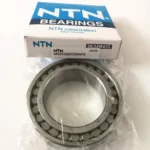
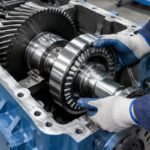
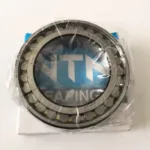
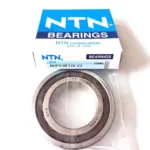
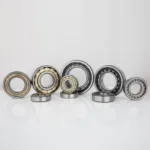
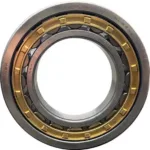
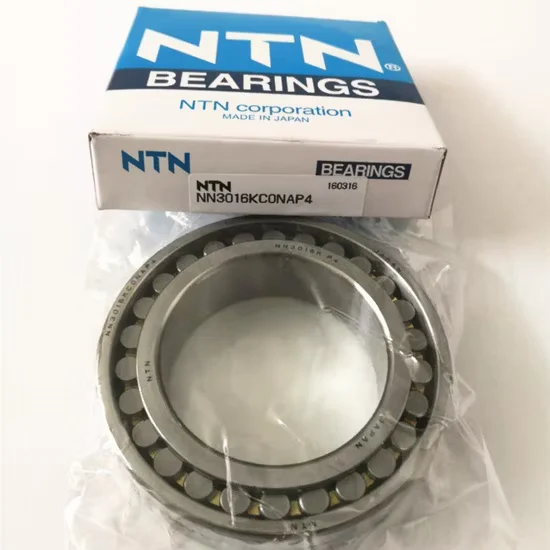
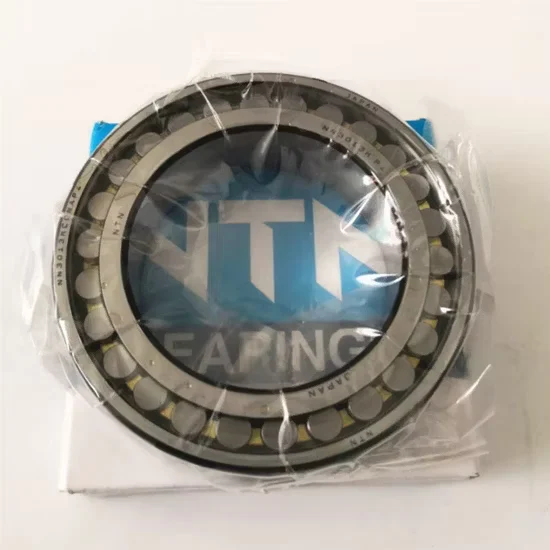
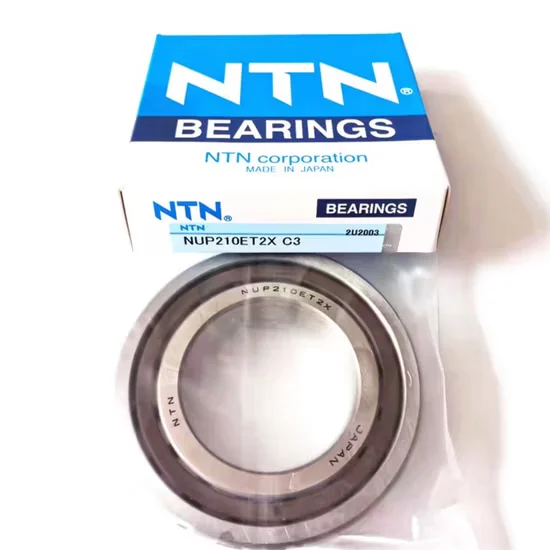
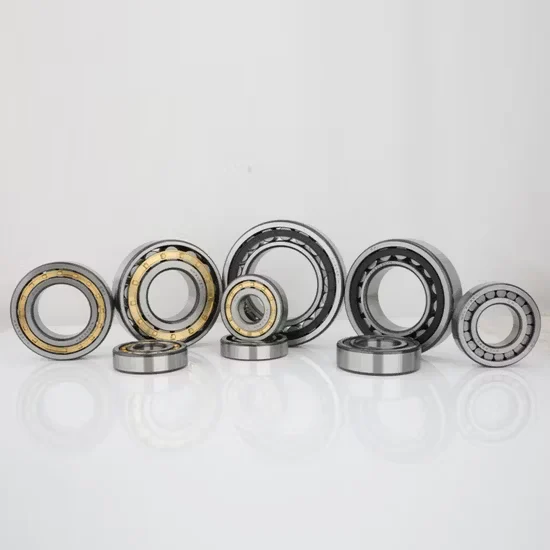
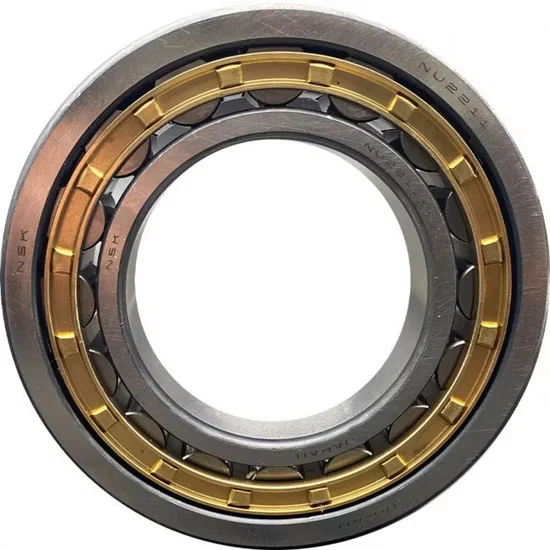
Cylindrical Roller Bearing for Reducer Gearbox and Transmission Assembly
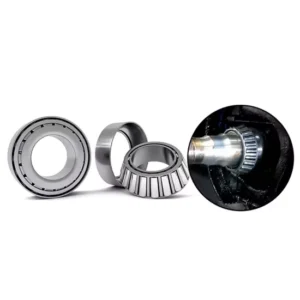
<p><strong>Reducer Gearbox Cylindrical Roller Bearing</strong> — Chrome Steel Gcr15/100cr6 construction engineered for heavy-duty transmission assemblies and traction motors.</p> <ul> <li>High radial load capacity suits continuous operation in reducer gearboxes and rolling mills.</li> <li>Available in single-row and double-row non-aligning configurations to match specific installation spaces and maintenance conditions.</li> <li>Cross-reference alignment ensures load ratings and row configurations strictly match OEM specifications.</li> </ul>
Updated Daily
Within 4 Hours
No Minimum
Traceable
Specifications
| Parameter | Value |
|---|---|
| Brand | SKF |
| Type | Uncategorized |
| Model / Part Number | Cylindrical Roller Bearing for Reducer Gearbox and Transmission Assembly |
| Bore Diameter (d) | Contact for specs |
| Outside Diameter (D) | Contact for specs |
| Width (B) | Contact for specs |
| Dynamic Load Rating (C) | Contact for specs |
| Static Load Rating (C₀) | Contact for specs |
| Reference Speed | Contact for specs |
| Limiting Speed | Contact for specs |
| Weight | Contact for specs |
Specifications shown are typical values. Contact us for confirmed dimensional and tolerance data for this specific model.
Technical Documents
Need help identifying this bearing?
Send us a part number, a drawing, or a photo. We'll confirm the exact SKF equivalent.
Product Description
Verified Authenticity Scans — Every shipment includes scannable QR codes linking directly to the manufacturer's official verification portal.
Technical Specifications
| Parameter | Value |
|---|---|
| Product Type | Cylindrical Roller Bearing |
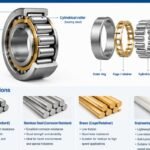
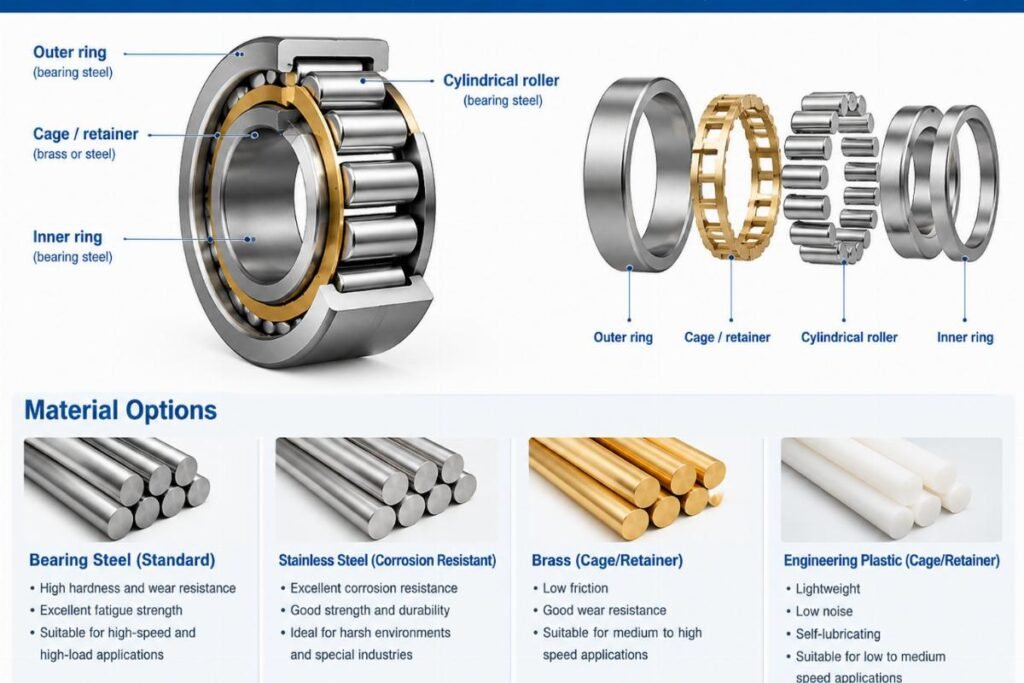
| Material | Available in Chrome Steel Gcr15 / 100cr6 variants |
| Alignment | Non-Aligning Bearings |
| Number of Rows | Single-Row / Double-Row configurations |
| Origin | Shandong, China |
| Customization | OEM/ODM custom dimensions accepted |
Application Suitability
| Industry | Typical Applications |
|---|---|
| Mining & Minerals | Conveyor drive gearboxes, crusher transmission assemblies |
| Heavy Machinery | Excavator slew drives, bulldozer final drive gearboxes |
| Steel & Metallurgy | Rolling mill reduction gearboxes, continuous caster drives |
| Power Generation | Wind turbine main shaft gearboxes, pitch drive assemblies |
Why Reducer Gearboxes Fail When Heat Destroys the Steel
Improper mounting practices silently destroy bearing metallurgy long before the first shift begins.
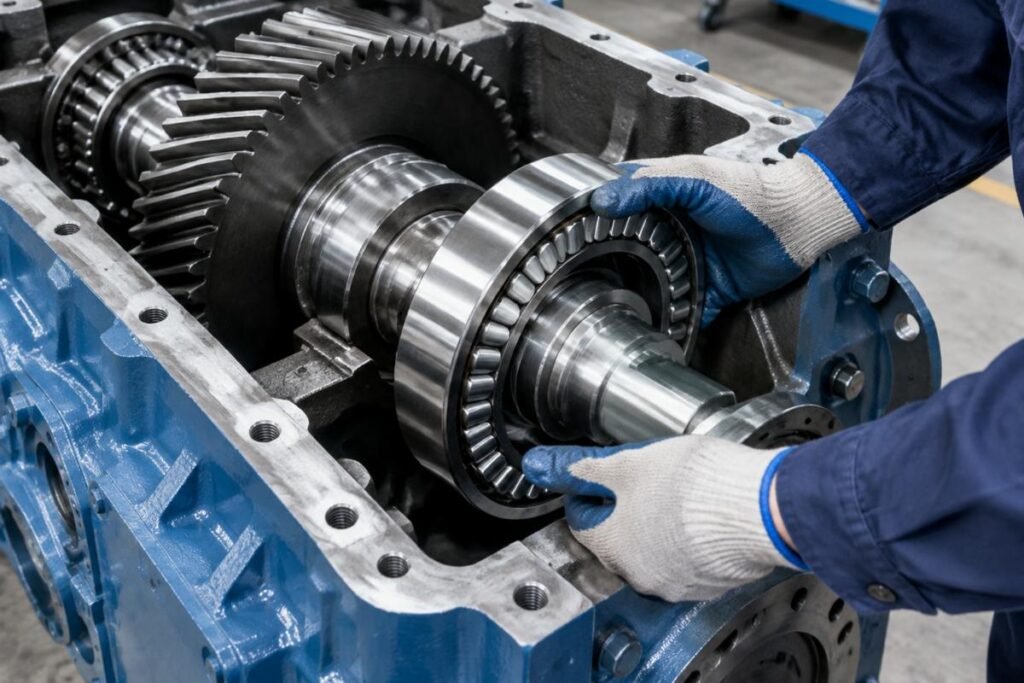
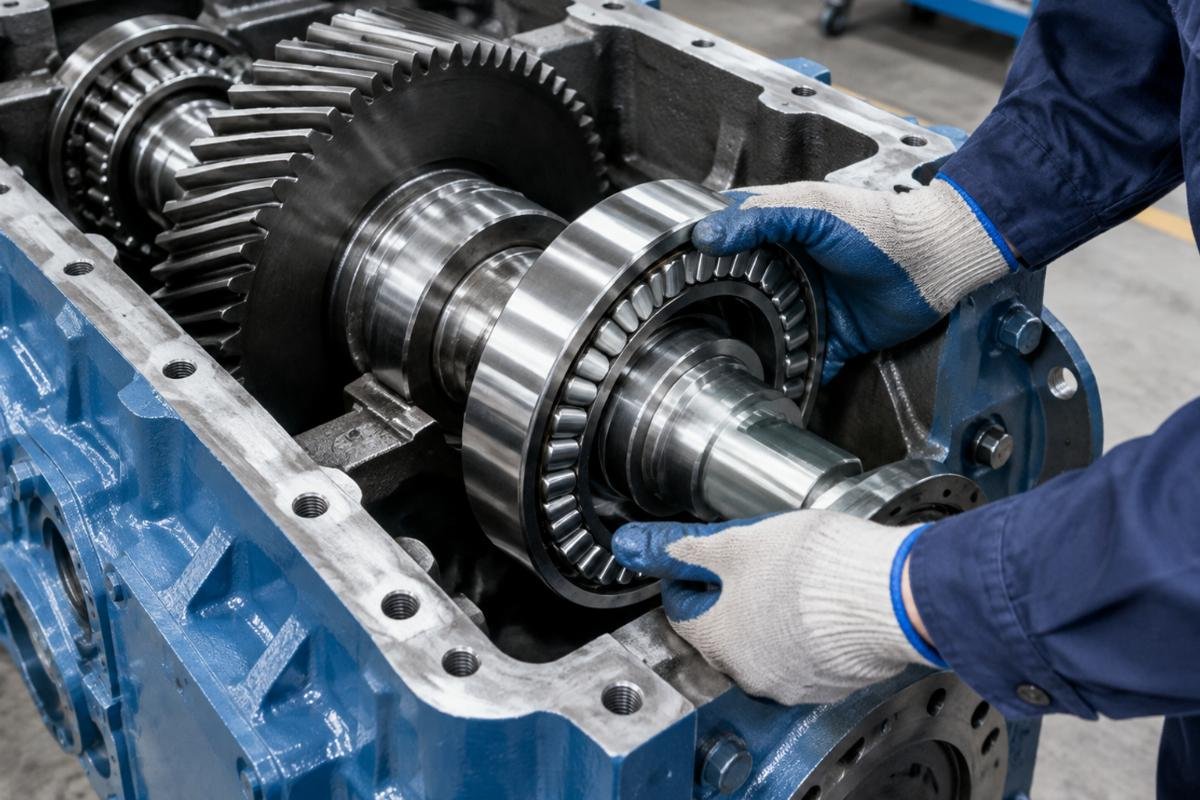
I have seen this exact scenario at a copper concentrator plant in Chile. Maintenance crews used open torches to heat the inner rings for interference fits, completely altering the metallographic structure. The resulting softening caused rapid wear and catastrophic seizure within days. Finding a reliable reducer gearbox cylindrical roller bearing supplier is useless if the installation protocols ignore thermal limits. [NEED_CITE: thermal damage to bearing rings during mounting per ISO 15243]
Matching Transmission Loads to Non-Aligning Geometries
Heavy-duty transmission assemblies generate immense radial forces that demand rigid rolling element support. Our catalog as a dedicated reducer gearbox cylindrical roller bearing supplier focuses on non-aligning designs that maintain precise roller-to-raceway contact under pure radial loads. By avoiding the internal skewing common in misaligned setups, these configurations maximize the load-bearing surface area exactly where the gearbox experiences peak torque transmission.
Navigating Thermal Expansion and Lubrication Starvation
Reducer gearboxes operate in environments where internal friction and ambient heat continuously challenge lubricant stability. At elevated temperatures, standard grease degrades rapidly, leading to metal-to-metal contact and severe raceway scoring. The non-aligning nature of these components means they cannot compensate for shaft deflections caused by thermal growth, making precise internal clearance selection critical. Contamination from metallic wear particles further accelerates fatigue if filtration and sealing strategies are neglected. [NEED_CITE: lubrication failure modes in enclosed gearboxes per ISO 281]
Decoding Material Options and Row Configurations
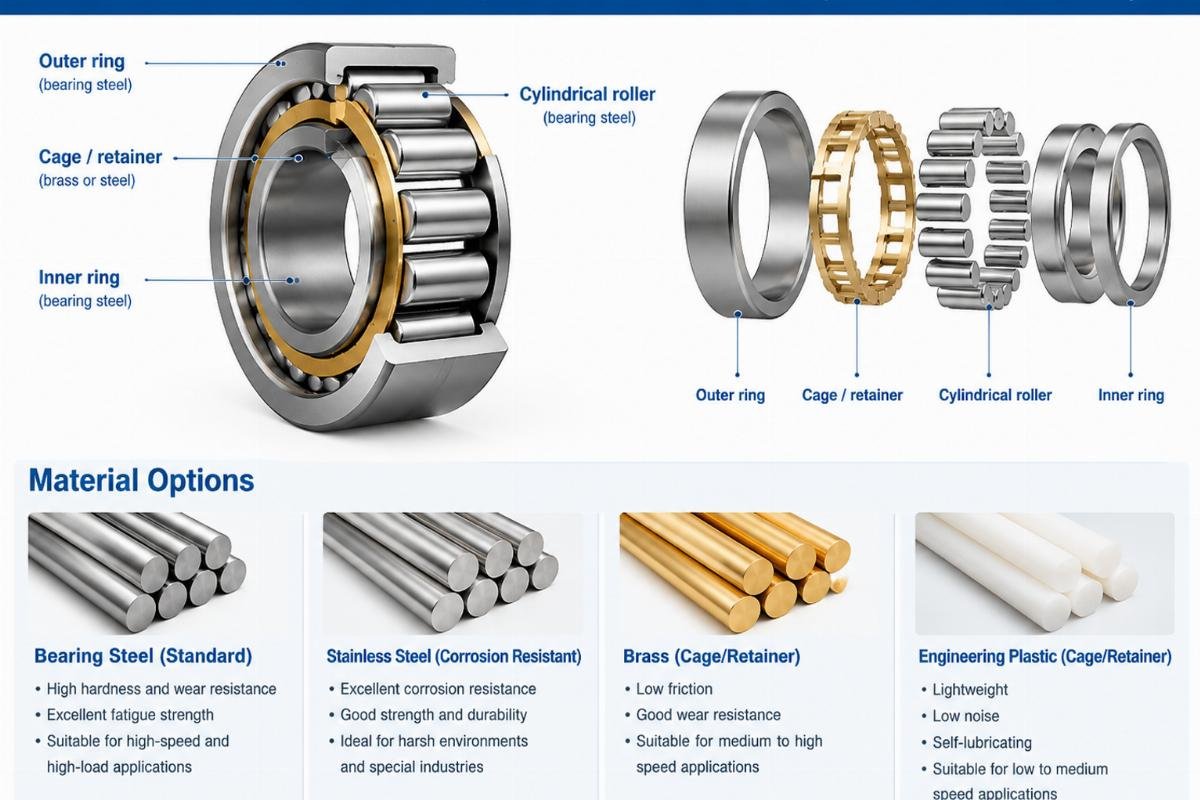
Selecting the right internal geometry dictates how the assembly handles shock loads versus continuous operational stress. Single-row variants excel in high-speed applications where minimizing friction and heat generation is paramount, while double-row configurations provide the necessary rigidity for heavy shock loads in crushing equipment. Regarding material options, components are available in Chrome Steel Gcr15 / 100cr6 variants, offering an optimal balance of core toughness and surface hardness for standard industrial environments. For applications exposed to moisture or corrosive processing chemicals, alternative stainless steel variants can be sourced to prevent surface pitting and premature degradation. Proper selection hinges on balancing the radial load capacity against the available envelope dimensions inside the gearbox housing, ensuring the rolling elements maintain full contact without edge stress.
The Financial Impact of Premature Seizure
When a transmission component fails unexpectedly, the financial bleed extends far beyond the replacement part cost. Unplanned downtime in a continuous processing plant halts upstream and downstream operations, triggering massive revenue losses and expedited freight penalties. Catastrophic damage often destroys adjacent gears and shafts, turning a simple maintenance swap into a complete gearbox rebuild. Furthermore, ignoring manufacturer mounting guidelines instantly triggers warranty voidance, leaving the facility to absorb the entire financial burden. [NEED_CITE: economic consequences of unplanned downtime in heavy industry]
Securing Traceability in Mixed-Brand Gearbox Rebuilds
Sourcing replacement parts for aging gearboxes often involves mixing different brands to meet urgent maintenance deadlines. We ensure complete traceability documentation for every unit, preventing the dangerous mix of counterfeit or substandard steel in critical transmission nodes. Our cross-brand equivalent model consultation guarantees that the load ratings and row configurations perfectly match the original equipment specifications. We maintain massive spot inventory covering thousands of standard part numbers, eliminating the multi-week lead times that typically stall project completions and force expensive operational delays. Additionally, our technical selection support helps engineers avoid the exact metallurgical installation errors I witnessed in the field, ensuring long-term reliability.
Documentation & Authenticity
- Certificate of Conformity verifying Gcr15 material chemistry and heat treatment batches.
- Original factory batch traceability linking double-row units to specific production runs.
- Dimensional inspection reports confirming non-aligning bore tolerances before dispatch.
- Official QR verification tags for validating authenticity upon site delivery.
Storage, Handling & Mounting
- Store single-row and double-row units in original packaging to prevent humidity ingress on Gcr15 races.
- Use induction heaters with temperature limits to avoid destroying the metallographic structure during interference fits.
- Keep matched double-row sets sealed until mounting to preserve factory alignment and internal clearance.
- Apply clean lint-free gloves when handling open-type variants to prevent skin acids from etching the Chrome Steel surfaces.
Engineering Data Required for Selection
To ensure the selected configuration withstands your specific operational demands, please provide the exact equipment model and gearbox housing dimensions. As an experienced reducer gearbox cylindrical roller bearing supplier, we require the continuous and peak radial loads, operating speeds, and ambient temperature ranges to calculate the required internal clearance. Detailing the environmental exposure, such as heavy dust or moisture, allows us to recommend the most appropriate material variant and sealing strategy.
Frequently Asked Questions
Q: How do we determine the specific cylindrical roller bearing model for our gearbox?
A: Provide the equipment model, available envelope dimensions, and the maximum radial loads experienced during peak operation. Our engineering team uses these parameters to calculate the required dynamic load rating and select the optimal single-row or double-row configuration. We also factor in operating speeds to ensure the chosen design maintains adequate lubrication film thickness without excessive heat generation.
Q: What are the most common failure modes in reducer gearbox applications?
A: Premature failures typically stem from improper mounting practices, such as using open flames for heating, which destroys the steel's metallographic structure. Other frequent issues include lubrication starvation at elevated temperatures and severe raceway scoring caused by metallic contamination. Misalignment in non-aligning designs also leads to edge loading and rapid fatigue spalling under heavy radial forces.
Q: Should we choose single-row or double-row configurations for our transmission assembly?
A: Single-row designs are ideal for high-speed applications where minimizing internal friction and heat generation is critical. Conversely, double-row configurations offer superior rigidity and higher radial load capacity, making them essential for heavy-duty gearboxes subjected to severe shock loads. The decision ultimately depends on the specific torque profile and the spatial constraints within your gearbox housing.
Q: What information is needed to source custom OEM dimensions?
A: We require detailed dimensional drawings specifying the bore, outside diameter, and width, alongside the required internal clearance class. Please also provide the expected radial loads and operating temperatures so we can validate the structural integrity of the custom design. Minimum order quantities for custom OEM dimensions vary based on the complexity and material variant selected.
Q: How should we manage lubrication cycles for heavy-duty gearbox bearings?
A: Lubrication intervals depend heavily on the operating temperature, load magnitude, and the specific grease or oil formulation used. In high-temperature environments, the lubricant degrades faster, necessitating more frequent replenishment or the use of synthetic formulations. We recommend monitoring oil analysis results to detect metallic wear particles early and adjusting the maintenance schedule based on actual operational severity.
Cross-Brand Interchange
Find the equivalent part number from other major bearing manufacturers. Free cross-reference service -- contact us to confirm exact interchange.
| Brand | Equivalent Model | Status | Action |
|---|---|---|---|
| SKF ORIGINAL | Cylindrical Roller Bearing for Reducer Gearbox and Transmission Assembly | Confirmed | -- |
| FAG | Request interchange | Pending | Get Equivalent → |
| NSK | Request interchange | Pending | Get Equivalent → |
| NTN | Request interchange | Pending | Get Equivalent → |
| TIMKEN | Request interchange | Pending | Get Equivalent → |
| INA | Request interchange | Pending | Get Equivalent → |
| IKO | Request interchange | Pending | Get Equivalent → |
| Koyo | Request interchange | Pending | Get Equivalent → |
| Nachi | Request interchange | Pending | Get Equivalent → |
Free cross-reference service: Send us any competitor part number and we'll identify the exact SKF equivalent with confirmed boundary dimensions.
Same Series Products
Other bearings in the same category you may need.



Ready to order Cylindrical Roller Bearing for Reducer Gearbox and Transmission Assembly?
Send us the part number and quantity. We'll reply with price, stock availability and lead time within 4 working hours.