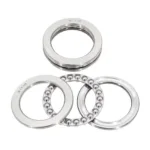

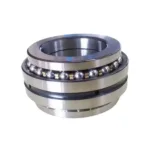


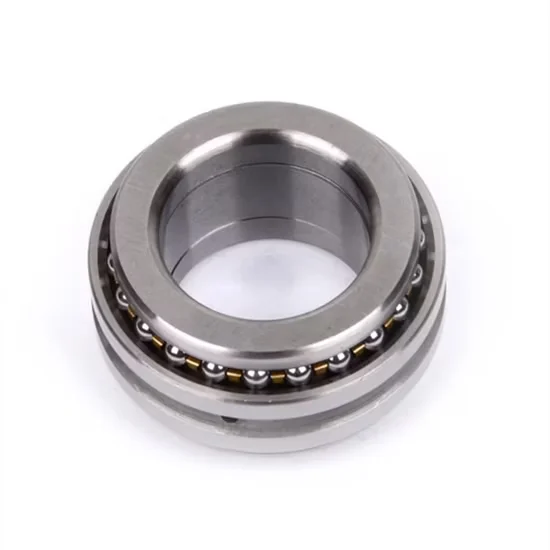
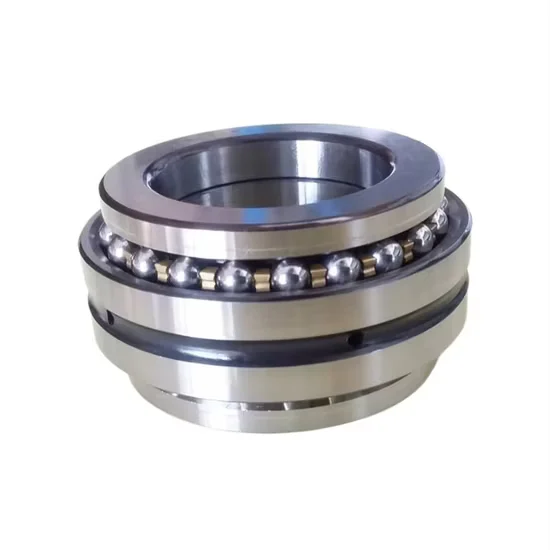
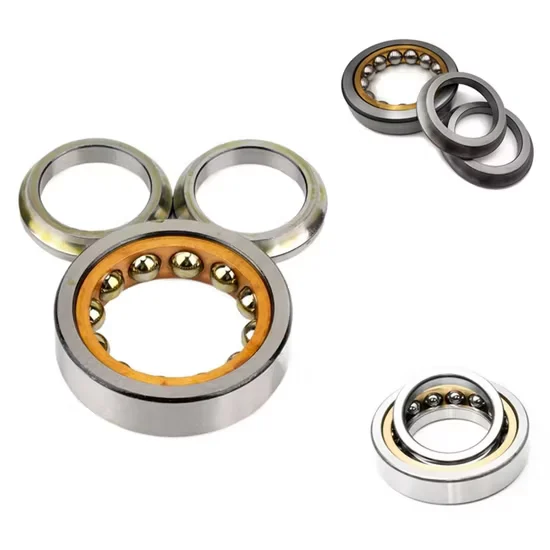
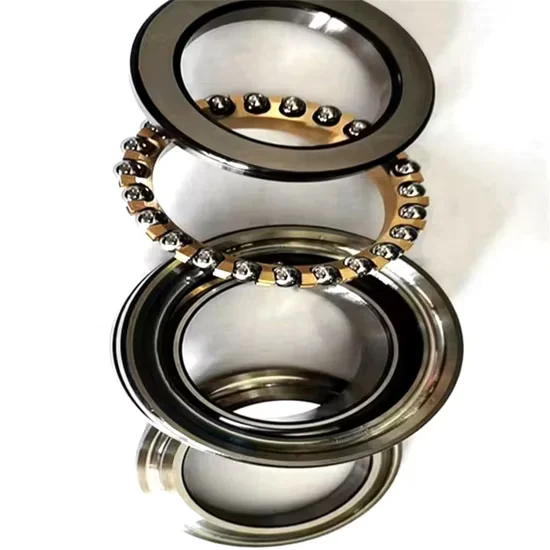
234713b Angular Contact Thrust Ball Bearing Genuine Supplier [WARN] draft identifier mismatch
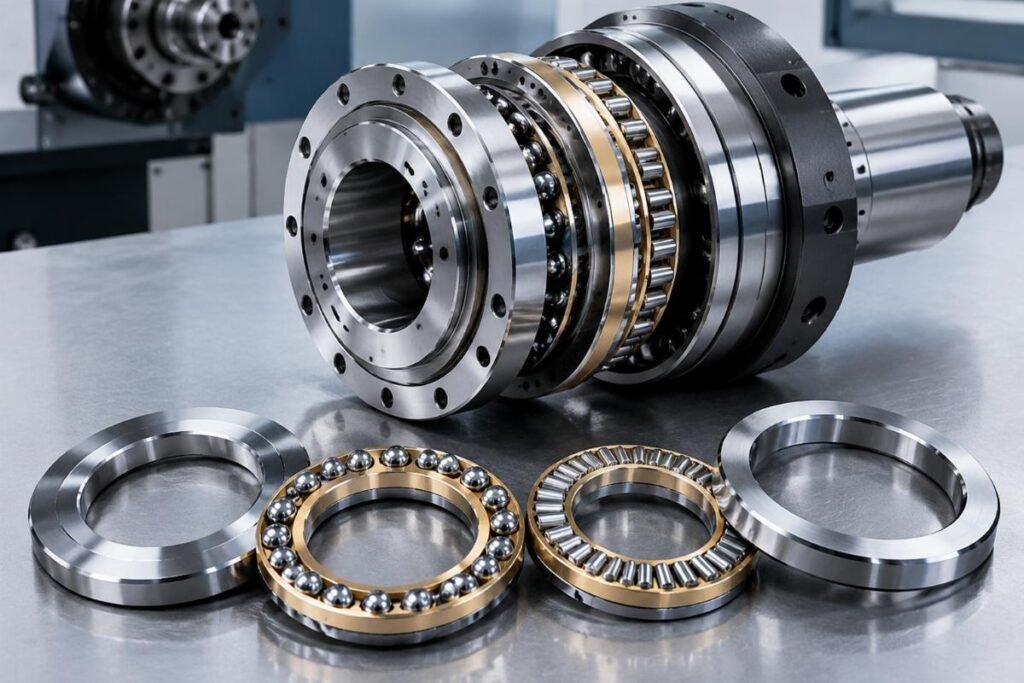
<p><strong>234713b Angular Contact Thrust Ball Bearing P0-P2</strong> — engineered for machine tool spindles and ball screw supports to manage heavy axial loads. This non-aligning, unseparated thrust bearing ensures high rigidity and stable performance for precision equipment operations.</p> <ul> <li>Each delivery includes a complete documentation package featuring Gcr15 steel material certificates and detailed dimensional inspection reports.</li> </ul>
Updated Daily
Within 4 Hours
No Minimum
Traceable
Specifications
| Parameter | Value |
|---|---|
| Brand | SKF |
| Type | Uncategorized |
| Model / Part Number | 234713b Angular Contact Thrust Ball Bearing Genuine Supplier [WARN] draft identifier mismatch |
| Bore Diameter (d) | Contact for specs |
| Outside Diameter (D) | Contact for specs |
| Width (B) | Contact for specs |
| Dynamic Load Rating (C) | Contact for specs |
| Static Load Rating (C₀) | Contact for specs |
| Reference Speed | Contact for specs |
| Limiting Speed | Contact for specs |
| Weight | Contact for specs |
Specifications shown are typical values. Contact us for confirmed dimensional and tolerance data for this specific model.
Technical Documents
Need help identifying this bearing?
Send us a part number, a drawing, or a photo. We'll confirm the exact SKF equivalent.
Product Description
Cross-Reference Alignment Verified — We match dimensional tolerances, contact angles, and precision classes against OEM specifications before dispatching any 234713b angular contact thrust ball bearing.
Technical Specifications
| Parameter | Value |
|---|---|
| Designation | 234713b |
| Bearing Type | Angular Contact Thrust Ball Bearing |
| Contact Angle | 55° / 60° / 62° |
| Aligning | Non-Aligning Bearing |
| Separated | Unseparated |
| Rows Number | Single Row / Double Row |
| Load Direction | Thrust Bearing |
| Material | Gcr15 (SUJ2) Bearing Steel |
| Seal | Open |
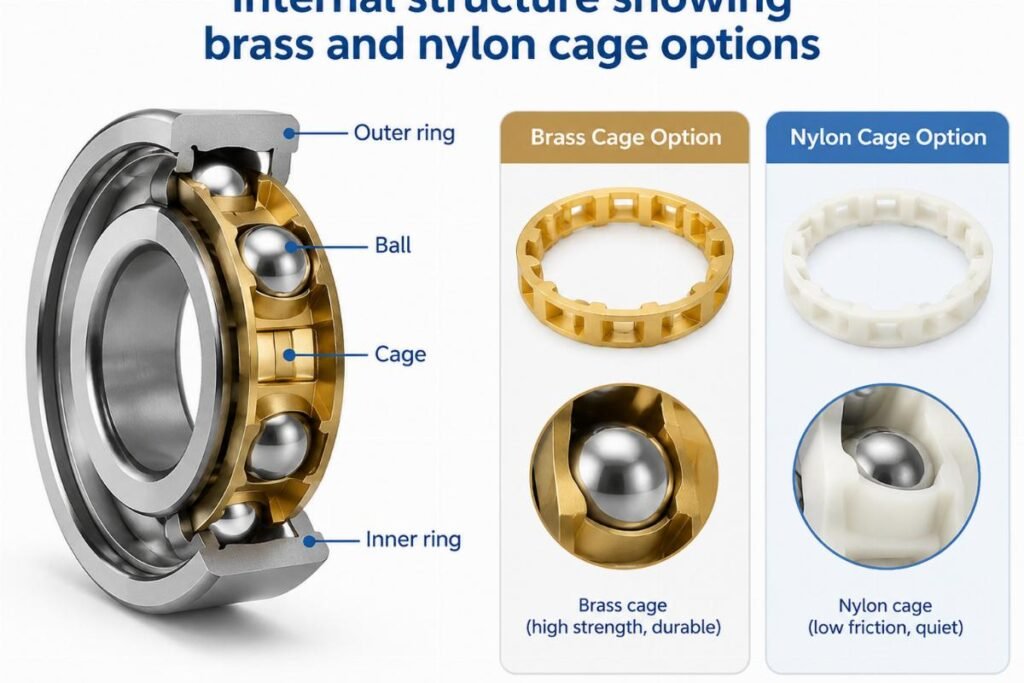
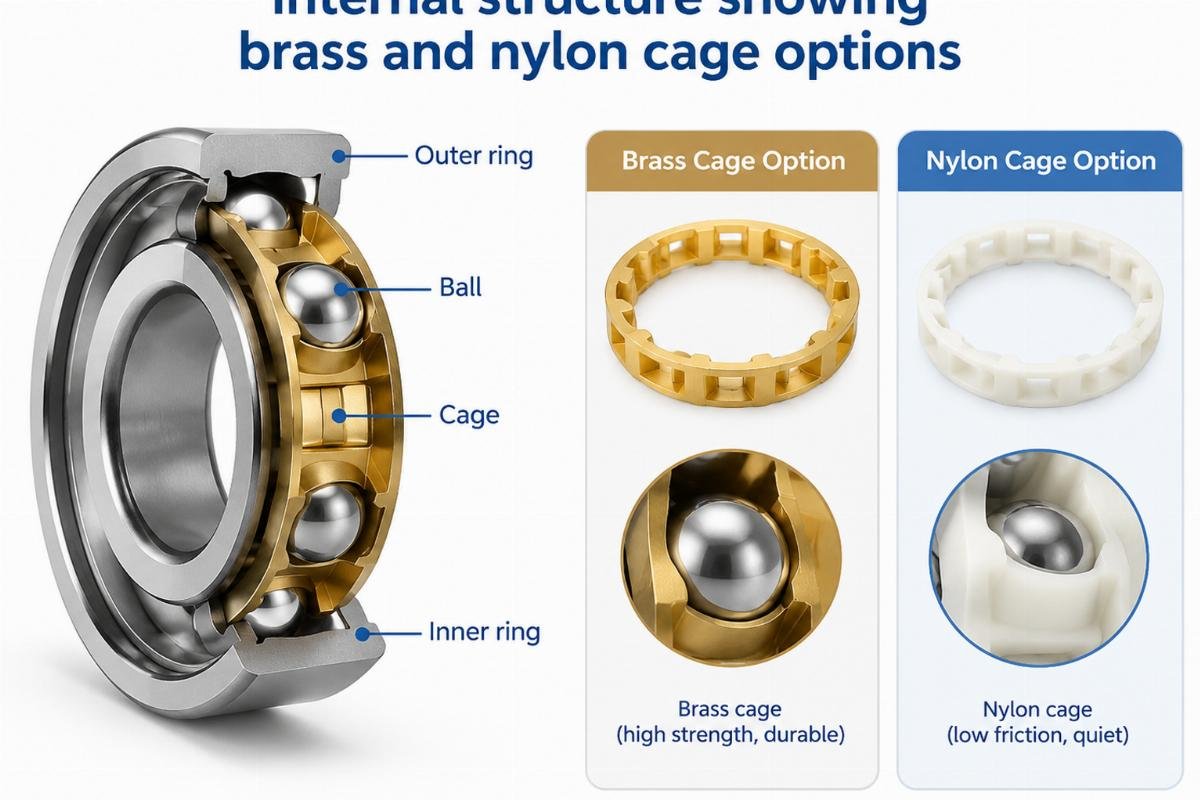
| Cage Material | Brass (M), Nylon (TN), Steel |
| Precision Rating | P0, P6, P5, P4, P2 |
| Origin | Shandong, China |
The suffix 'b' is an unverified designation requiring manufacturer catalog confirmation for exact preload and clearance specs.
Application Suitability
| Industry | Typical Applications |
|---|---|
| Machine Tool Manufacturing | High-speed spindle axial support |
| Precision Engineering | Ball screw drive mechanism stabilization |
| Industrial Automation | Rotary table thrust load management |
Why Spindle Vibration Ruins More Than Just Surface Finish
Selecting the correct 234713b angular contact thrust ball bearing prevents micro-vibrations that silently degrade machining tolerances.
Axial rigidity dictates the ultimate dimensional accuracy of your machined parts.
When thrust bearings lack the precise contact angle or preload matching for high-speed spindles, the resulting chatter leaves visible marks on the workpiece. Over time, this micro-movement accelerates raceway fatigue, leading to unplanned downtime. Sourcing replacements without verifying the exact requirements often results in repeating the same failure cycle. Many maintenance teams assume all thrust bearings of the same basic dimension are interchangeable, ignoring critical internal geometry differences. This oversight compromises the entire spindle system [NEED_CITE: rolling bearing failure mode classification per ISO 15243].
Matching Precision Classes to Spindle Demands
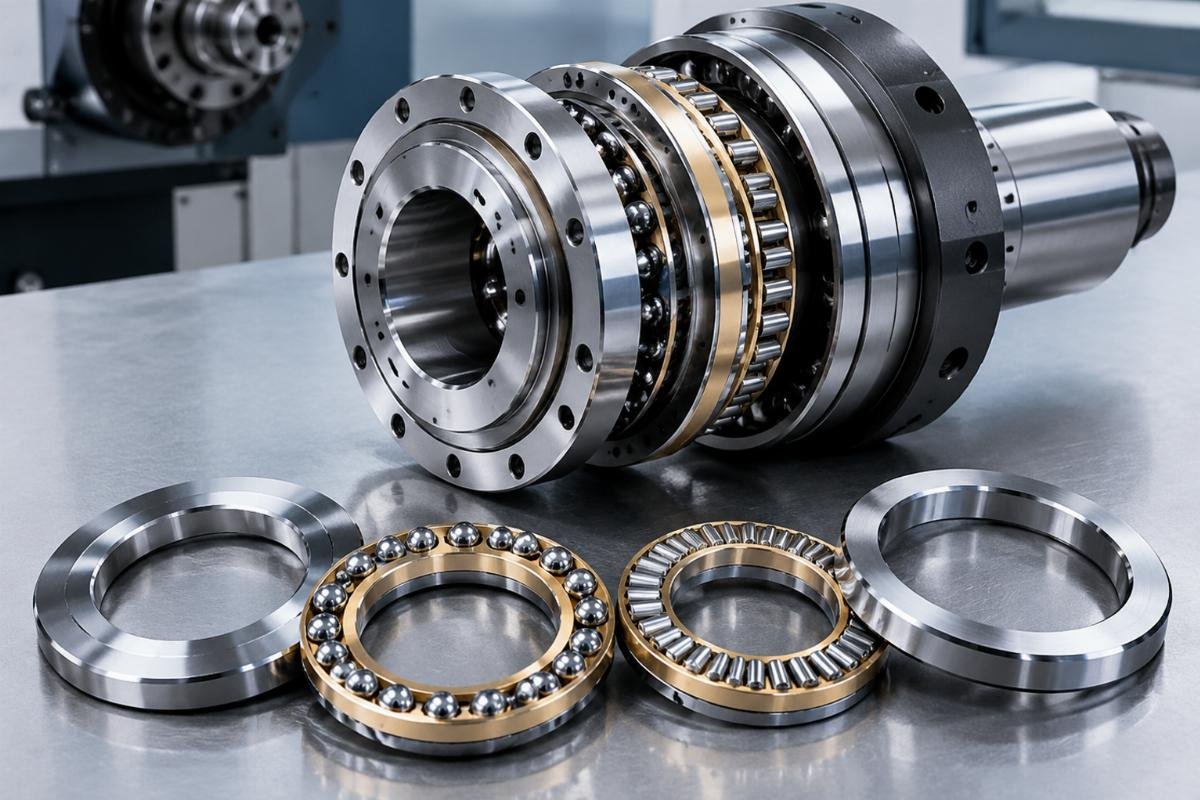
Machine tool spindles demand exceptional rotational accuracy, making the selection of P4 or P2 precision classes critical for the 234713b angular contact thrust ball bearing. We provide cross-brand equivalent model consultation to ensure the dimensional and running accuracy aligns perfectly with your spindle housing tolerances. Avoiding the costly trial-and-error of mismatched precision grades saves significant downtime. Our technical team reviews your specific runout requirements to recommend the optimal tolerance class, ensuring the replacement integrates flawlessly into your existing high-speed machining center without requiring extensive housing modifications.
Axial Loads and Thermal Expansion in Ball Screws
Ball screw supports generate significant bidirectional axial forces during rapid traverse and deceleration. The 55°, 60°, or 62° contact angle options are engineered to absorb these heavy thrust loads while maintaining structural rigidity. However, continuous high-speed operation generates friction heat, which can alter internal clearance if the lubrication interval is ignored. Proper oil-air or grease lubrication must be maintained to prevent thermal seizure and preserve the preload integrity. Neglecting the thermal displacement effects on the spindle assembly often leads to sudden stiffness loss, compromising the positioning accuracy of the entire CNC axis and causing scrapped parts [NEED_CITE: thermal displacement effects on spindle bearing preload].
Decoding Cage Materials for High-Speed Rigidity
The cage material directly influences the maximum operating speed and vibration characteristics of thrust bearings. Brass (M) cages offer superior durability and heat dissipation for heavy-load, continuous-duty spindles. Nylon (TN) cages are noticeably lighter, reducing centrifugal forces and allowing higher rotational speeds, though they have strict temperature limits. Steel cages provide a balanced compromise for general precision equipment. Selecting the wrong cage type for a high-speed application often leads to cage wear and premature degradation. Understanding these material boundaries ensures the bearing survives the specific dynamic environment of your machinery.
The Hidden Cost of Ignoring Suffix Differences
Overlooking minor designation variations or assuming generic interchangeability leads to catastrophic spindle damage. A mismatched preload or incorrect contact angle causes excessive internal friction, rapidly accelerating fatigue spalling on the raceways. This premature failure not only voids equipment warranties but also halts entire production lines for emergency repairs. Adhering to ISO 281 guidelines for dynamic load rating calculations helps prevent these hidden operational costs by ensuring the selected bearing can withstand the actual application stresses. Ignoring these fundamental engineering principles transforms a routine maintenance task into a recurring financial burden that impacts overall equipment effectiveness [NEED_CITE: fatigue life calculation methods per ISO 281].
Securing Traceable Bearings for Critical Spindles
Sourcing genuine components is non-negotiable when replacing precision thrust bearings. We supply original factory batch traceability and complete documentation to verify the metallurgical integrity of the Gcr15 (SUJ2) steel. Our massive spot inventory eliminates the typical multi-week lead times associated with direct official channels. Furthermore, our technical selection support helps verify cross-reference alignment for precision class and cage material. This approach guarantees that every 234713b angular contact thrust ball bearing we dispatch meets rigorous manufacturing demands.
Documentation & Authenticity
- Original factory batch traceability confirming Gcr15 (SUJ2) steel metallurgy
- Dimensional inspection reports verifying P4 or P2 running accuracy tolerances
- Official app QR verification for authenticating premium brand equivalents
- Material certification detailing the specific heat treatment and hardness profiles
- Certificate of Conformity matching the exact contact angle and precision class
Storage, Handling & Mounting
- Keep the open-type bearing in its original vapor-proof packaging until immediately before mounting to prevent Gcr15 steel corrosion.
- Use clean, lint-free gloves when handling P4 or P2 precision components to avoid transferring skin oils that compromise surface finish.
- Verify the exact contact angle and preload marks before installation, as mixing up single or double row orientations ruins axial rigidity.
- Apply the recommended spindle oil or grease immediately after unpacking, since the open seal design offers no built-in contamination protection.
- Ensure the machine tool spindle housing is thoroughly cleaned to prevent metallic debris from indenting the precision-ground raceways.
Engineering Review for Spindle Replacements
To ensure optimal spindle performance, please share your specific radial and axial load profiles, operating speeds, and thermal conditions. Providing the original OEM equipment number allows our engineering team to perform precise cross-reference alignment and L10 life verification. This technical review guarantees the selected configuration matches your exact machine tool requirements.
Frequently Asked Questions
Q: How do I verify the exact meaning of the 'b' suffix on this model?
A: The 'b' suffix is an unverified designation requiring manufacturer catalog confirmation. We recommend providing your machine tool's OEM part number or the original bearing's physical dimensions so our engineering team can cross-reference the exact preload, clearance, and contact angle specifications against official brand catalogs.
Q: What precision class should I choose for a CNC lathe spindle?
A: CNC lathe spindles typically require P4 or P2 precision classes to maintain tight machining tolerances and minimize runout at high speeds. Lower grades like P0 or P6 are generally unsuitable for the primary spindle axis but might be used in less critical auxiliary drive mechanisms.
Q: Can I mix brass and nylon cages in the same spindle assembly?
A: Mixing cage materials in a matched spindle arrangement is strongly discouraged. Brass and nylon cages exhibit different thermal expansion rates and dynamic friction characteristics, which will unevenly distribute the axial load and cause premature failure of the bearing set. Always maintain uniform cage specifications.
Q: How does the contact angle affect the ball screw support performance?
A: A steeper contact angle, such as 60° or 62°, significantly increases the axial load capacity and rigidity of the ball screw support. This is crucial for handling the heavy bidirectional thrust forces generated during rapid traverse and heavy cutting operations without compromising positional accuracy.
Cross-Brand Interchange
Find the equivalent part number from other major bearing manufacturers. Free cross-reference service -- contact us to confirm exact interchange.
| Brand | Equivalent Model | Status | Action |
|---|---|---|---|
| SKF ORIGINAL | 234713b Angular Contact Thrust Ball Bearing Genuine Supplier [WARN] draft identifier mismatch | Confirmed | -- |
| FAG | Request interchange | Pending | Get Equivalent → |
| NSK | Request interchange | Pending | Get Equivalent → |
| NTN | Request interchange | Pending | Get Equivalent → |
| TIMKEN | Request interchange | Pending | Get Equivalent → |
| INA | Request interchange | Pending | Get Equivalent → |
| IKO | Request interchange | Pending | Get Equivalent → |
| Koyo | Request interchange | Pending | Get Equivalent → |
| Nachi | Request interchange | Pending | Get Equivalent → |
Free cross-reference service: Send us any competitor part number and we'll identify the exact SKF equivalent with confirmed boundary dimensions.
Same Series Products
Other bearings in the same category you may need.



Ready to order 234713b Angular Contact Thrust Ball Bearing Genuine Supplier [WARN] draft identifier mismatch?
Send us the part number and quantity. We'll reply with price, stock availability and lead time within 4 working hours.